
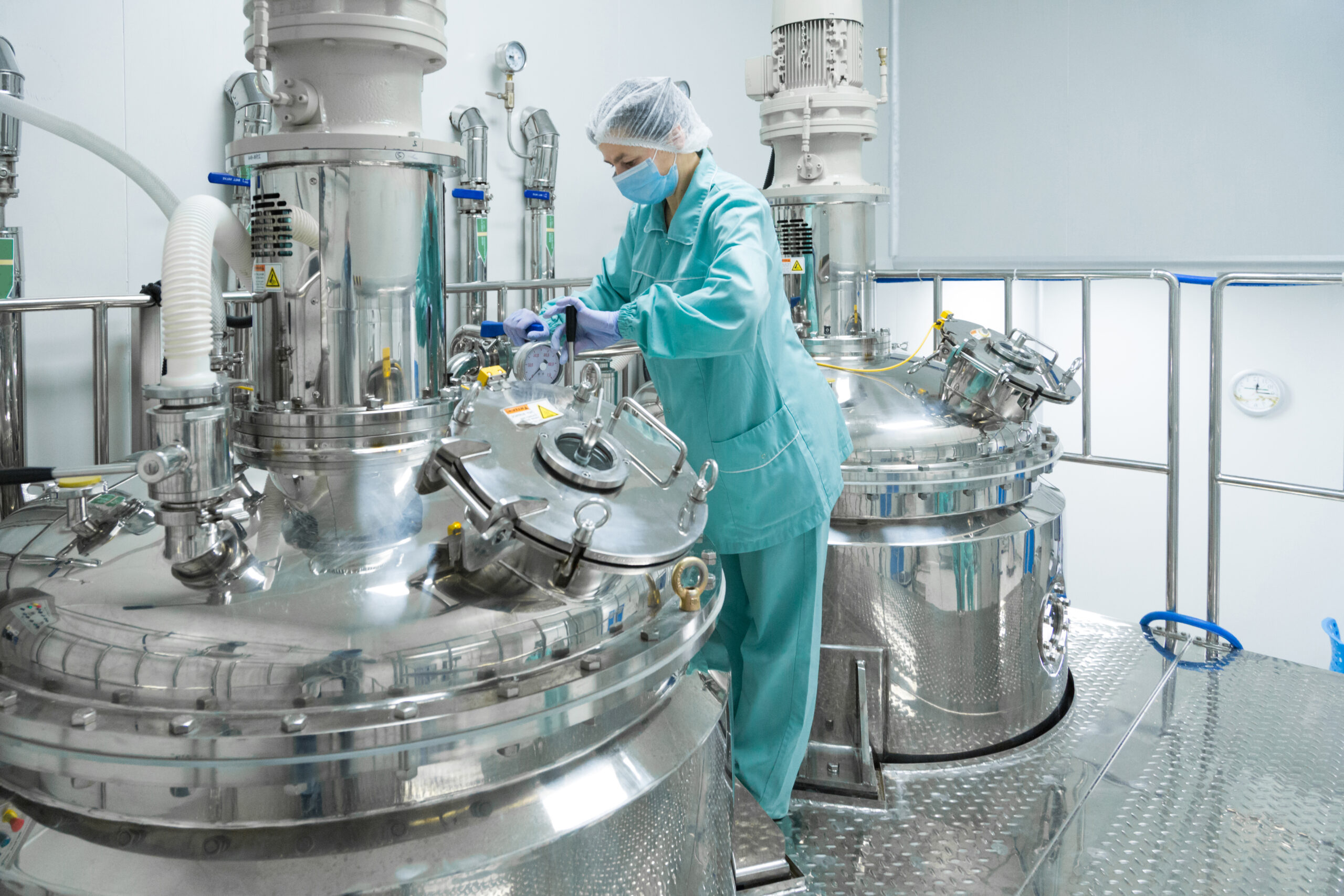
Best Third Party Nutraceutical Manufacturer in India – How to Choose?
Choosing the best third party nutraceutical manufacturer in India is an important decision for any company planning to launch or expand a health supplement, nutraceutical or wellness brand.
Today, businesses can work with manufacturing partners instead of investing in their own production facility. This can help startups, pharmaceutical companies, distributors, healthcare businesses and wellness brands develop products under their own brand names.
However, choosing a manufacturing partner should not be based only on the lowest quotation.
Product quality, manufacturing capabilities, formulation support, documentation, minimum order quantity, packaging, production timelines and communication can all affect the success of your product.
This guide explains the key factors to consider when selecting a third party nutraceutical manufacturer in India.
What Is a Third Party Nutraceutical Manufacturer?
A third party nutraceutical manufacturer is a manufacturing company that produces nutraceutical or health-related products for another business.
The brand owner can focus on areas such as:
- Brand development
- Marketing
- Sales
- Distribution
- Customer relationships
The manufacturing partner handles agreed production activities according to the product specifications and applicable requirements.
Depending on the manufacturer, services may include product selection, formulation support, manufacturing, quality testing, packaging and documentation.
Third-party manufacturing is particularly useful for companies that want to build a product portfolio without establishing their own manufacturing infrastructure.
Why Is Choosing the Right Nutraceutical Manufacturer Important?
Your manufacturing partner can directly influence your product quality, launch timeline, cost structure and brand reputation.
A reliable partner should provide clarity around the manufacturing process and commercial terms rather than making only broad promises about quality or service.
The right manufacturer can help you establish a more predictable product-development and supply process.
The wrong partner can potentially result in:
- Production delays
- Inconsistent product quality
- Packaging errors
- Documentation problems
- Unexpected costs
- Communication issues
- Difficulty scaling future orders
That is why businesses should evaluate manufacturers systematically before placing an order.
10 Factors to Consider When Choosing a Third Party Nutraceutical Manufacturer
1. Check Applicable Licences and Certifications
One of the first things to verify is whether the manufacturer has the licences and certifications applicable to the products and manufacturing activities you require.
Do not simply rely on statements such as “certified manufacturer” on a website.
Ask for relevant documentation and verify:
- Licence details
- Certification scope
- Validity
- Manufacturing location
- Product category covered
- Testing and quality documentation
The applicable regulatory framework can depend on the nature and classification of the product, so requirements should be confirmed for your specific product.
2. Evaluate Manufacturing Capabilities
Not every nutraceutical manufacturer in India produces every type of product.
Before choosing a company, confirm whether it can manufacture your required dosage form.
Depending on the facility, common formats may include:
- Tablets
- Capsules
- Softgels
- Powders
- Sachets
- Syrups
- Gummies
- Protein products
- Herbal supplements
If you plan to expand your product range later, it can also be useful to understand the manufacturer’s broader capabilities.
3. Ask About Product Formulation and R&D Support
Product formulation is an important part of nutraceutical manufacturing.
If you already have a formulation, you may need a manufacturing partner capable of producing the product according to the agreed specifications.
If you are developing a new product, you may need formulation or product-development support.
Ask:
- Can you support customized formulations?
- Do you offer existing formulations?
- Can you suggest suitable dosage forms?
- What information is required to develop a product?
- What testing is required before commercial production?
A manufacturer that clearly explains the development process can make the product-launch journey easier.
4. Compare MOQ Before Placing an Order
MOQ means Minimum Order Quantity.
MOQ can vary depending on:
- Product type
- Dosage form
- Formula
- Ingredients
- Packaging
- Batch size
- Customization requirements
There is no single MOQ that applies to every nutraceutical product.
For startups, MOQ is particularly important because a large first order can tie up working capital.
Before finalizing a manufacturer, ask for the MOQ product by product and get the information in writing.
5. Evaluate Quality Control
Quality should be one of your primary considerations when selecting a third party nutraceutical manufacturer.
Ask how the manufacturer manages quality at different stages of production.
Important areas can include:
Raw Material Testing
Ask how incoming raw materials are evaluated and documented.
In-Process Controls
Understand what checks are performed during manufacturing.
Finished Product Testing
Ask about applicable testing of the finished product.
Batch Documentation
Determine what batch-related documents are maintained and which documents will be provided to you.
Certificate of Analysis
Where applicable, discuss whether a Certificate of Analysis (COA) is available for the finished product and what parameters it covers.
A transparent quality process gives your business greater visibility into product consistency.
6. Check Packaging and Label Support
Manufacturing is only one part of launching a finished product.
Your product also needs suitable packaging and accurate labelling.
Depending on the product, packaging may include:
- Bottles
- Jars
- Boxes
- Blisters
- Sachets
- Pouches
Ask the manufacturer whether it supports:
- Primary packaging
- Secondary packaging
- Label printing
- Batch coding
- Product artwork coordination
- Packaging customization
The label should be reviewed for the applicable regulatory requirements before printing.
7. Compare Pricing Transparently
Price is important, but the cheapest quotation is not necessarily the best option.
When comparing two manufacturers, check whether both quotations include the same specifications.
Compare:
Formula + Ingredients + Quantity + Packaging + Testing + Documentation + Delivery Terms
Ask about additional charges for:
- Customized formulation
- Artwork
- Packaging changes
- Testing
- Special ingredients
- Small batches
- Additional documentation
A clear quotation can help prevent unexpected costs later.
8. Check Production and Delivery Timelines
A product launch depends on more than manufacturing capacity.
Ask the manufacturer:
- What is the estimated production timeline?
- When does production begin?
- How long does packaging take?
- When will the finished goods be dispatched?
- How are repeat orders handled?
- What happens if raw materials are delayed?
Timelines can vary according to formulation, raw-material availability, packaging and order quantity.
Always get the expected timeline confirmed before making marketing or distribution commitments.
9. Evaluate Communication and Customer Support
Good communication is often overlooked when comparing manufacturers.
A reliable manufacturing relationship requires regular coordination between the brand and manufacturer.
You may need communication regarding:
- Product selection
- Quotations
- Samples
- Artwork
- Packaging
- Production
- Quality documents
- Dispatch
- Repeat orders
Pay attention to how quickly and clearly the manufacturer responds before placing your first order.
This can give you an indication of how the relationship may work after the order is confirmed.
10. Think About Long-Term Scalability
Do not choose a manufacturer only for your first order.
Think about where your brand could be in one, three or five years.
Ask whether the manufacturer can potentially support:
- Additional products
- Higher production quantities
- New dosage forms
- Customized formulations
- Different packaging
- Pan-India supply
- Export requirements, if relevant
A manufacturing partner that can grow with your business may save you from changing suppliers as your product portfolio expands.
Private Label vs Third Party Nutraceutical Manufacturing
Private label and third-party manufacturing are closely related terms, but they can describe different commercial arrangements.
Private label manufacturing commonly involves selling a manufacturer’s existing or adapted product under your own brand.
Third party manufacturing broadly refers to outsourcing manufacturing to an external production partner.
The exact arrangement depends on the manufacturer and the product.
If you are starting a new brand, discuss whether an existing formulation or a customized formulation is more suitable for your business goals.
How to Find the Best Third Party Nutraceutical Manufacturer in India
Instead of selecting a manufacturer from a single search result, create a shortlist.
Step 1: Define Your Product
Decide:
- Product category
- Ingredients
- Dosage form
- Pack size
- Target market
- Estimated quantity
Step 2: Shortlist Manufacturers
Compare several potential manufacturing partners.
Step 3: Verify Documentation
Request relevant licences, certificates and product documentation.
Step 4: Compare MOQ and Pricing
Get product-specific quotations.
Step 5: Evaluate Samples
Where appropriate, review samples before placing a commercial order.
Step 6: Review Manufacturing Terms
Clarify payment terms, timelines, packaging, documentation and other commercial conditions.
Step 7: Start Production
Once specifications and commercial terms are finalized, production can proceed according to the agreed arrangement.
Questions to Ask a Third Party Nutraceutical Manufacturer
Before selecting a manufacturer, ask:
1. What nutraceutical products do you manufacture?
2. What dosage forms are available?
3. What is the MOQ for my product?
4. Can you support customized formulations?
5. What quality testing is performed?
6. What documentation is provided with the finished product?
7. What packaging options are available?
8. What is the expected production timeline?
9. What are the payment terms?
10. Can you support larger quantities as my brand grows?
These questions can help you compare manufacturers on more than just price.
Why Choose PRISUN LIFE SCIENCES?
PRISUN LIFE SCIENCES is focused on Nutraceutical, Ayurvedic and Wellness Products, with a business approach centered on quality, trust, innovation and customer satisfaction.
For businesses exploring nutraceutical and wellness product opportunities, PRISUN can discuss requirements around:
- Nutraceutical products
- Ayurvedic products
- Health supplements
- Wellness products
- Product development opportunities
- Packaging and branding requirements
- Third-party manufacturing opportunities
Our goal is to build long-term business relationships rather than simply process individual orders.
Growing with Purpose. Serving with Trust.
Frequently Asked Questions
Which is the best third party nutraceutical manufacturer in India?
There is no single manufacturer that is automatically the best for every business. The right choice depends on your product requirements, manufacturing capabilities, quality systems, MOQ, pricing, documentation, packaging and expected scale.
How do I choose a third party nutraceutical manufacturer?
Compare applicable licences and certifications, manufacturing capabilities, quality-control processes, formulation support, MOQ, packaging, pricing, documentation, timelines and customer support.
What is the MOQ for nutraceutical manufacturing?
MOQ varies by product, formulation, dosage form, packaging and manufacturer. Ask for the MOQ for your specific product rather than relying on a general MOQ figure.
Can I manufacture nutraceutical products under my own brand?
Depending on the business arrangement and applicable requirements, businesses can use private-label or third-party manufacturing to develop products for sale under their own brand.
Can startups work with third party nutraceutical manufacturers?
Yes. Third-party manufacturing can be an option for startups because it can reduce the need to establish their own manufacturing infrastructure.
What documents should I ask from a nutraceutical manufacturer?
The required documents depend on the product and arrangement. Discuss applicable licences, certifications, specifications, testing reports, COA and batch documentation with the manufacturer before placing the order.
Is the cheapest nutraceutical manufacturer the best option?
Not necessarily. Compare the complete offering, including product specifications, quality processes, testing, packaging, MOQ, documentation, timelines and service.
Final Checklist
Before selecting your third party nutraceutical manufacturer in India, check:
☑ Applicable licences and certifications verified
☑ Manufacturing capabilities match your product
☑ Quality-control process understood
☑ Formulation/R&D support confirmed
☑ MOQ confirmed in writing
☑ Product pricing compared properly
☑ Packaging options confirmed
☑ Label requirements reviewed
☑ Testing and documentation discussed
☑ Production timeline confirmed
☑ Communication and support evaluated
☑ Future scalability considered
Conclusion
Finding the best third party nutraceutical manufacturer in India is not simply about finding the lowest manufacturing price.
The right partner should match your product requirements, quality expectations, budget, launch timeline and long-term business plans.
Take time to compare manufacturers, verify relevant documentation, understand MOQ and pricing, review quality processes and clarify production timelines before making your decision.
For businesses planning to build a nutraceutical, Ayurvedic or wellness brand, choosing the right manufacturing partner can be an important step toward creating a sustainable product portfolio.
PRISUN LIFE SCIENCES — Growing with Purpose. Serving with Trust.

Leave a Reply